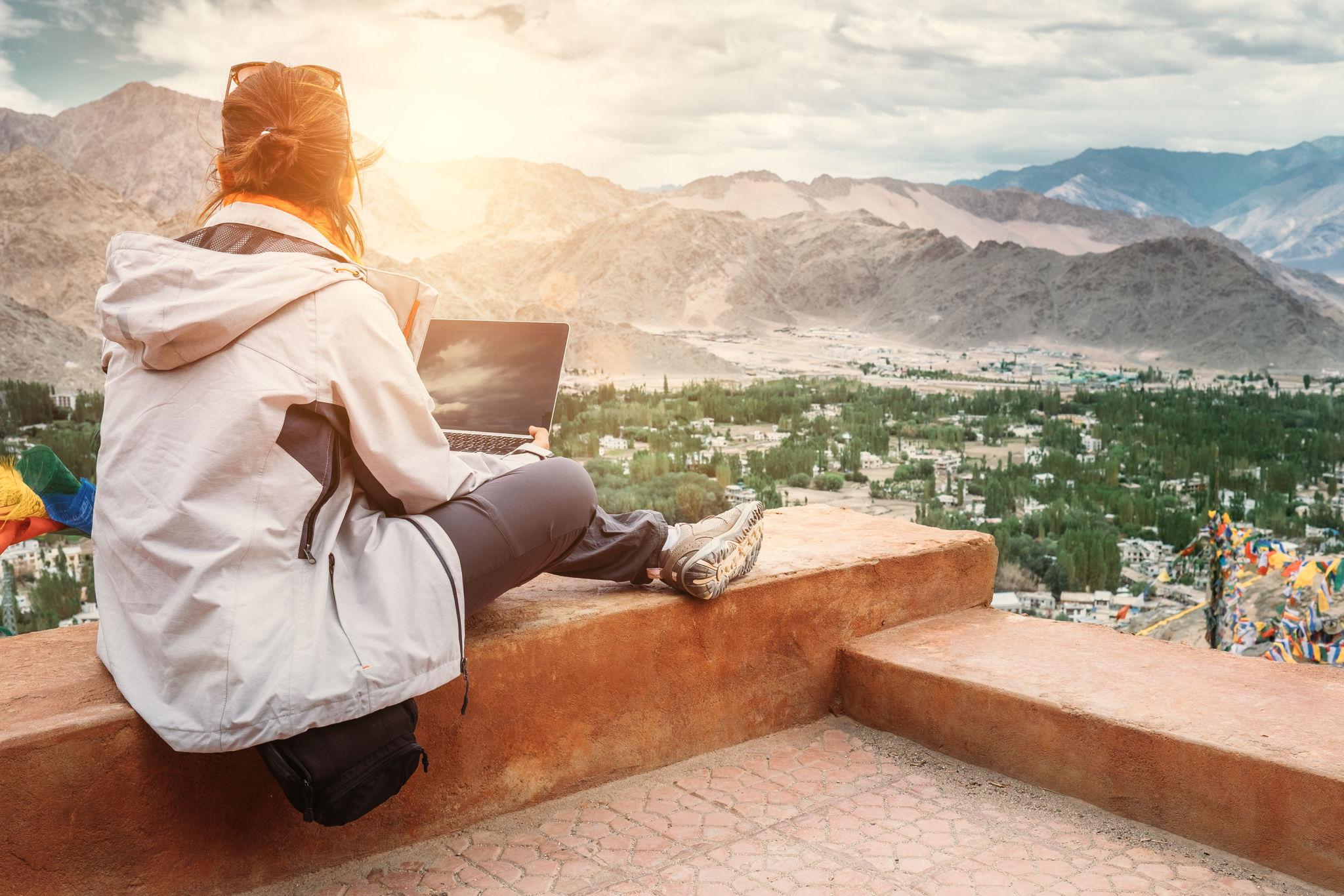
Life on the open road has its perks. Freedom, adventure, a change of scenery whenever you feel like it. Yet, under the surface, often lurks a companion that many don’t talk about which is loneliness.
Yep, while you’re busy jotting down another country on your list, feelings of isolation can sneak in.
Let’s face it, the nomadic lifestyle can be a bit of a double-edged sword. On one hand, there’s the thrill of new places and cultures. On the other, moving frequently can leave you longing for familiar faces or a stable community. It’s tough trying to find the balance between freedom and a sense of belonging.
Spotting when loneliness hits isn’t always easy when you’re constantly on the go. It could be a nagging feeling of being disconnected or finding yourself craving for those late-night chats you used to have with friends. If you’re feeling apathetic or detached, it might be time to address it head-on.
So what’s the fix? Well, recognizing the signs is half the battle. Keeping a journal about your moods and social interactions can shed light on patterns and help you understand when this emotional hitchhiker shows up. Remember, feeling lonely now and then is normal; it’s what you do about it that matters.
How To Create An Impressive Digital Portfolio For Digital Nomads
Building Connections: Strategies for Creating Your Nomadic Support Network
Digital nomads might seem like independent adventurers, but even the most seasoned traveler knows the importance of having a strong support system. With the right strategies, those supportive ties can be woven throughout your globe-trotting journey, providing the connection you crave.
Online communities are one of the top ways to build your nomadic network. There are countless forums and social media groups where fellow nomads share tips, experiences, and a sense of camaraderie. Whether it’s Facebook groups for digital nomads or platforms like Nomadlist, tapping into these virtual worlds opens up a treasure trove of shared wisdom and potential friendships.
Let’s talk co-working spaces. There’s something magical about these hubs where creativity and networking mesh perfectly. Co-working spaces aren’t just about finding a place to power up your laptop; they’re vibrant communities where you can meet like-minded folks, share ideas, and even collaborate on projects.
Is tech your best friend yet? Because it can be when staying connected. Apps like Zoom and WhatsApp bridge the gap between you and your loved ones back home. Regular chats with family can ground you while new virtual friendships provide fresh perspectives on your travels.
By leveraging technology and seeking out spaces devoted to connection, you can establish a solid support system that adapts as you do. It’s not just about knowing people, it’s about finding your tribe no matter where the journey takes you.
Building A Successful Freelance Career As Digital Nomad
Inspiring Books and Podcasts for Digital Nomads

Sustaining Strong Bonds: Nurturing Relationships While on the Move
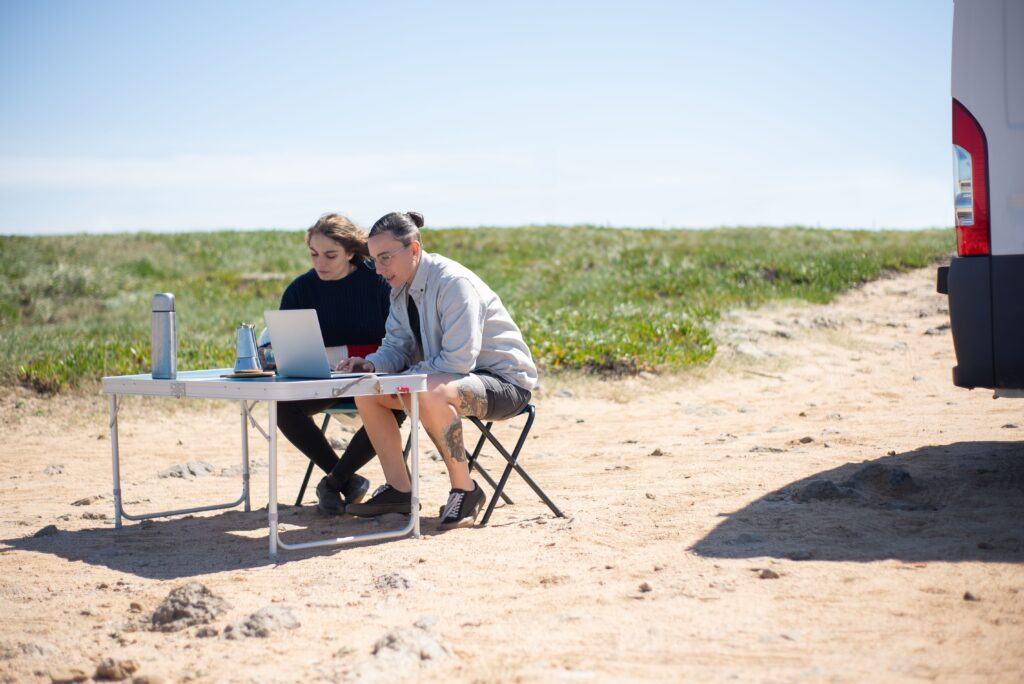
Keeping relationships strong as you hop from place to place can feel tricky, but with a little effort, you can sustain meaningful connections that go the distance. It all starts with making communication a non-negotiable part of your routine.
Setting a regular schedule for catching up with family and friends helps maintain a sense of normalcy. Whether it’s a weekly video call or a running group chat, consistency is key to feeling connected even when you’re miles apart. Share your experiences and be an active listener to keep the bond alive.
Seek out networks of people who share your lifestyle. Shared experiences often lead to lasting friendships, and being part of a nomad community means there’s always someone who gets it. From tips on the best coffee shop in town to swapping stories about the latest adventure, these connections can be invaluable.
Don’t forget to explore local meetups and events whenever you touch down in a new place. Besides boosting your social life, these gatherings expand your network while offering cultural insights you won’t find in guidebooks. They’re perfect for building ties with locals and other travelers, giving you a home wherever you go.
In the end, sustaining relationships is like nurturing a garden—you need to water it regularly and enjoy the blooms. So keep reaching out, stay curious, and before you know it, you’ll have a global network cheering you on.
Creating Stability Through Routine
One of the biggest challenges of a nomadic lifestyle is the constant change. New cities, different accommodations, and shifting schedules can make life feel exciting, but they can also create emotional fatigue. Establishing a few daily routines can provide a sense of stability no matter where you are.
Simple habits like starting the day with a morning walk, working from the same type of environment each day, or maintaining a regular exercise routine can help create familiarity amid constant change. These routines act as anchors, giving you something predictable when everything else is new.
Many digital nomads find that having a dedicated morning or evening ritual improves their mental well-being. Whether it’s meditation, journaling, reading, or enjoying a quiet cup of coffee, these small habits can create a comforting sense of home wherever you travel.
Prioritizing Mental Health While Traveling

Traveling full-time can sometimes create pressure to be constantly exploring, socializing, and making the most of every destination. However, it’s important to remember that you’re still human, and your emotional well-being deserves attention.
Taking regular breaks from sightseeing and work commitments can help prevent burnout. Consider scheduling occasional “reset days” where you focus solely on self-care. This might include getting extra rest, enjoying a favorite hobby, exercising, or simply spending time relaxing without an agenda.
Many nomads also benefit from speaking with a counselor or therapist through online platforms. Professional support can provide valuable tools for managing loneliness, anxiety, and the emotional ups and downs that often accompany a location-independent lifestyle.
Learning to Enjoy Your Own Company
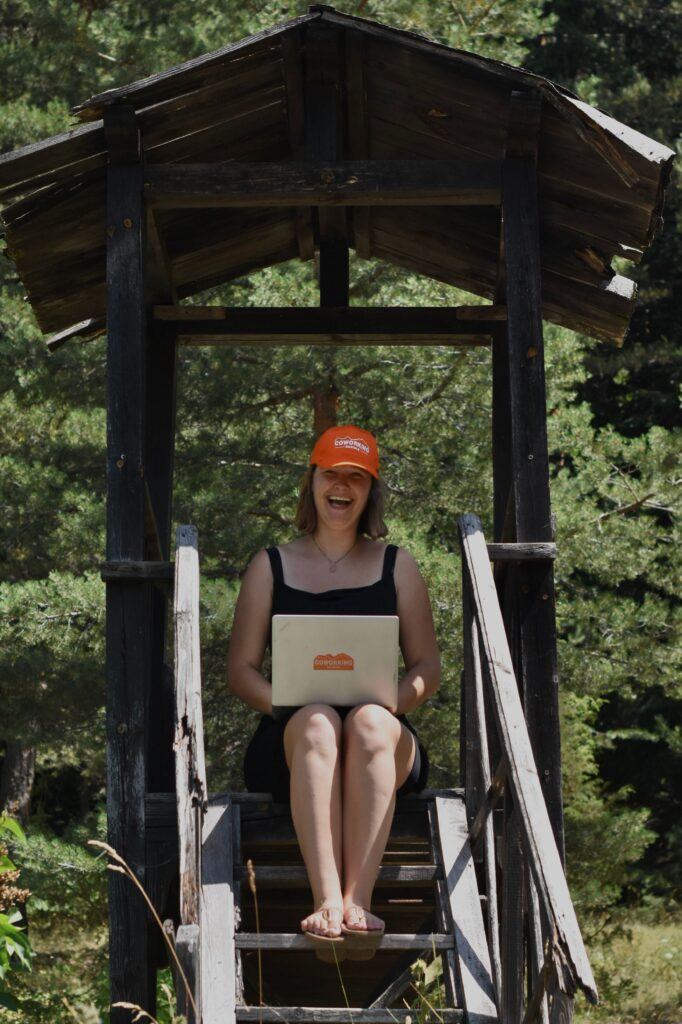
While building connections is important, there is also value in learning to appreciate solitude. Being alone does not always mean being lonely. In fact, some of the most rewarding moments of travel happen when you are fully present with yourself and your surroundings.
Use solo time as an opportunity for personal growth. Explore a local museum, take a photography walk, learn a new language, or reflect on your experiences through writing. These activities can help transform periods of solitude into meaningful experiences rather than moments of isolation.
Many long-term travelers discover that becoming comfortable with their own company increases confidence and resilience. Instead of viewing alone time as something to avoid, it becomes a chance to recharge and reconnect with personal goals and values.
Giving Back and Finding Purpose
Another powerful way to combat loneliness is by contributing to the communities you visit. Volunteering, attending local events, mentoring others, or supporting community projects can create a deeper sense of connection than sightseeing alone.
When you engage with a place beyond the surface level, you begin to form genuine relationships and develop a stronger sense of belonging. These experiences often lead to meaningful friendships and lasting memories that extend far beyond your travels.
Purpose can be a powerful antidote to loneliness. Whether you’re helping a local organization, sharing your skills, or simply supporting a community business, contributing to something larger than yourself creates a sense of fulfillment that can make any destination feel more like home.
Final Thoughts
Loneliness is a common but often overlooked part of the digital nomad journey. The freedom to travel the world comes with unique emotional challenges, and acknowledging those challenges is an important step toward managing them effectively. By building supportive relationships, maintaining healthy routines, prioritizing mental well-being, and finding purpose in the places you visit, you can create a lifestyle that offers both adventure and connection.
The beauty of the nomadic lifestyle isn’t just in the destinations you discover. It’s also in the relationships you build, the personal growth you experience, and the sense of community you create along the way. With intentional effort, it’s possible to enjoy the freedom of the open road without sacrificing the human connections that make life truly meaningful.
Affiliate Marketing is the Best Remote career for Digital nomads.
Are you ready to launch your affiliate marketing website? There’s no better time to start than now
Don’t let fear or uncertainty hold you back. The tools, training, and support you need are right at your fingertips. Click the link below to join Wealthy Affiliate today, and let’s get started on your affiliate marketing journey together!
Once you’re in, send me a message, and I’ll personally assist you with setting up your account, choosing your niche, and creating a game plan for success. Your future in affiliate marketing starts now—let’s make it!
Disclosure: If you click on the affiliate links provided in this article and purchase the product, I will receive a small commission from the company of the product. You will not pay anything extra for your purchase. You can read the affiliate disclosure for more information.

8 thoughts on “Creating A Support System As A Digital Nomad”
I really resonated with your point about using daily routines as emotional anchors when everything else is constantly changing, because I’ve definitely found myself feeling untethered after a few weeks of hopping between time zones and unfamiliar accommodations.
I try to keep a simple morning ritual, but it always seems to fall apart the moment I land somewhere with a completely different schedule or spotty internet. How do you suggest maintaining that sense of stability when your environment and daily rhythm are shifting so frequently?
Thank you for your thoughtful comment! I’ve found that keeping a few non-negotiable habits such as a short morning walk, journaling, or mindfulness practice provides a sense of stability, even when everything else is changing.
I really like the idea of volunteering as a way to feel less like a visitor and become more connected to the place you are staying in. It seems much more meaningful than only meeting other travelers at coworking spaces or organized nomad events. At the same time, many digital nomads stay in one city for only a few weeks, so it may be difficult to find a project that welcomes short-term help. How do you recommend finding responsible local volunteering opportunities that do not require a long commitment or accidentally take paid work away from local people?
Thank you for raising such an important point. I recommend connecting with reputable local nonprofits or community organizations that specifically welcome short-term volunteers, while choosing roles that support existing community efforts rather than replace paid local employment.
This was a good read. I remember when I started to work from home. After years of being near people in a call center, I was now at home. It has been enjoyable, but there were times when I missed the people. I think this is probably only a fraction of what it would be like to be a digital nomad.
At first when I thought of digital nomad, I thought you referred to someone in an RV moving around the country. But now I see you are really a world wide traveler! Do you feel this is a life best suited for a single person? Or do you know of couples or friends doing this together?
– Scott
Thank you, Scott, for sharing your experience! The digital nomad lifestyle can be rewarding for both solo travelers and couples many partners successfully travel and work together, and the key to making it work is strong communication, flexibility, and shared goals.
This hits on something a lot of remote workers underestimate before they hit the road. That gap between “freedom” and “belonging” is real, and I’d add that even non-nomads dealing with fully remote jobs run into a similar version of this since the office chatter and casual hallway connections just disappear. Your point about routines as anchors really resonates too, since having a consistent morning walk or coffee ritual can do a lot of heavy lifting when everything else around you is in flux.
As someone who works from home as a consultant and juggles music on the side, I’ve found that scheduling regular calls with a few close friends works wonders, even without the travel. The bit about volunteering and finding purpose in local communities is probably the most underrated tip here, since it shifts the focus from “collecting experiences” to actually building something meaningful wherever you land. Do you find that certain destinations make it easier to build that local connection than others, or does it really come down to personal effort no matter where you go?
Thank you for sharing your thoughtful perspective and personal experience. I believe both factors matter some destinations naturally foster stronger community connections, but being intentional about engaging with local events, volunteering, and maintaining consistent routines is ultimately what transforms a place into a genuine home away from home.